This article is a review of DC Studios’ Supergirl after a free screening of the film.
Supergirl is set to hit cinemas in tomorrow, and DC has launched a world tour to promote the film as a show of confidence.
The film’s social reactions have been mixed, but generally positive, with critics calling it ‘just fine’, praising the lead and supporting cast, while likening the film to the Guardians of the Galaxy and Mad Max franchises. These opinions were in line with my expectations, and my experience of the film met these.
Structurally, Supergirl is very much akin to the standard formula of a 2010s comicbook film. From a hero who has ‘lost their way’, drinking away their sorrows, to being involved in a bar skirmish to save a child, only to be inadvertently flung into a mission to save another life, Supergirl revives many of the genre’s extinct tropes in an outing that technically is not bad, but is criminally basic.
The film’s flashback scenes, particularly Krypton’s destruction, Kara’s time on Argo City, her meeting Krypto, her arriving on Earth and meeting her cousin, and her adjusting to life on Earth, were genuinely incredible writing with fantastic performances, and beautiful cinematography flashing back to a prequel film that was never made. Undoubtedly, James Gunn’s decision to start the DCU halfway in its story, where every character already know each other, and they’re all well within their careers of being superheroes, clearly holds the universe back and limits its storytelling potential. The clear and obvious decision here would have been to make a chronological origin story, but to avoid a potentially generic superhero story, the decision was made to… give us a generic superhero story.
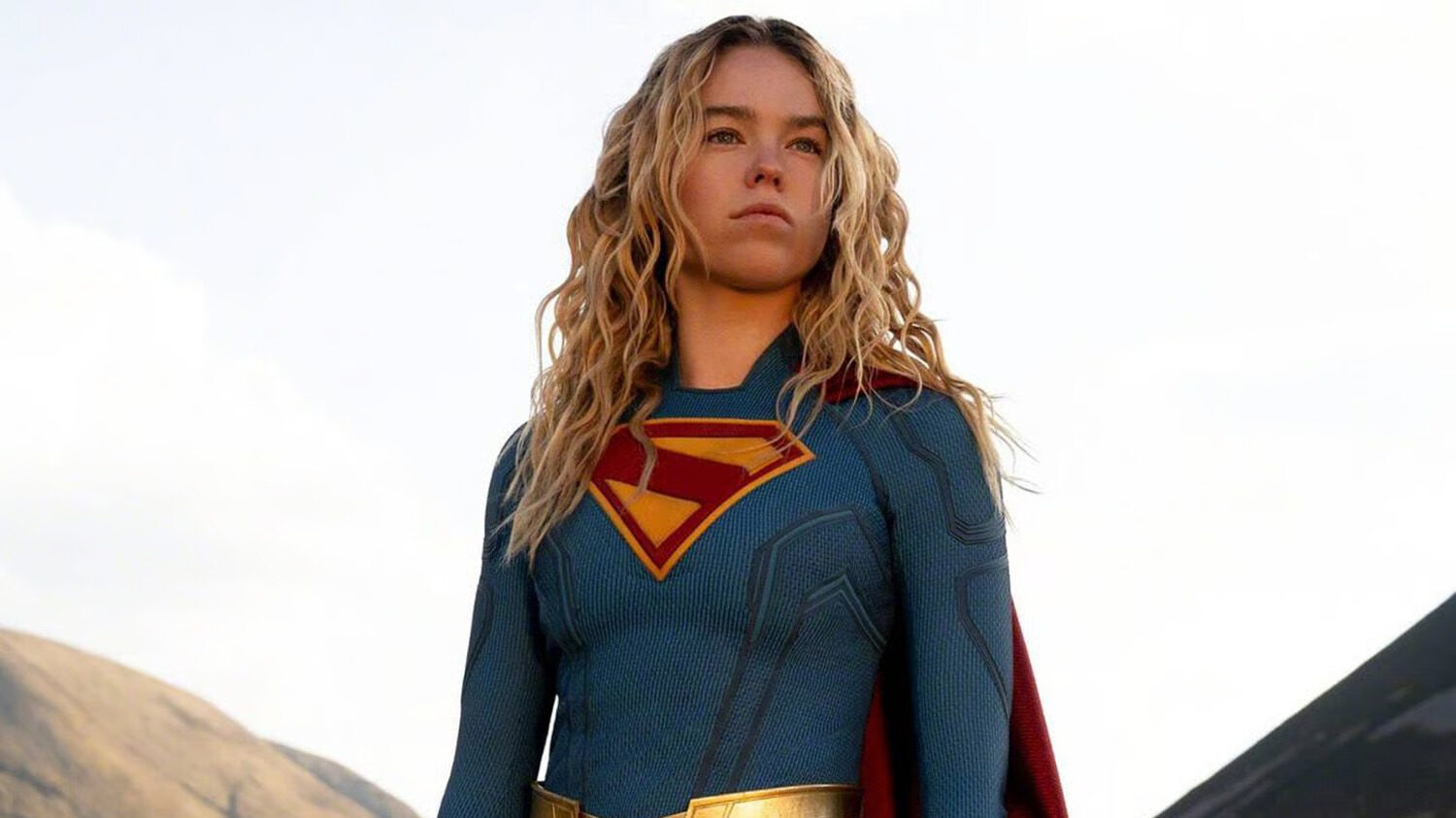
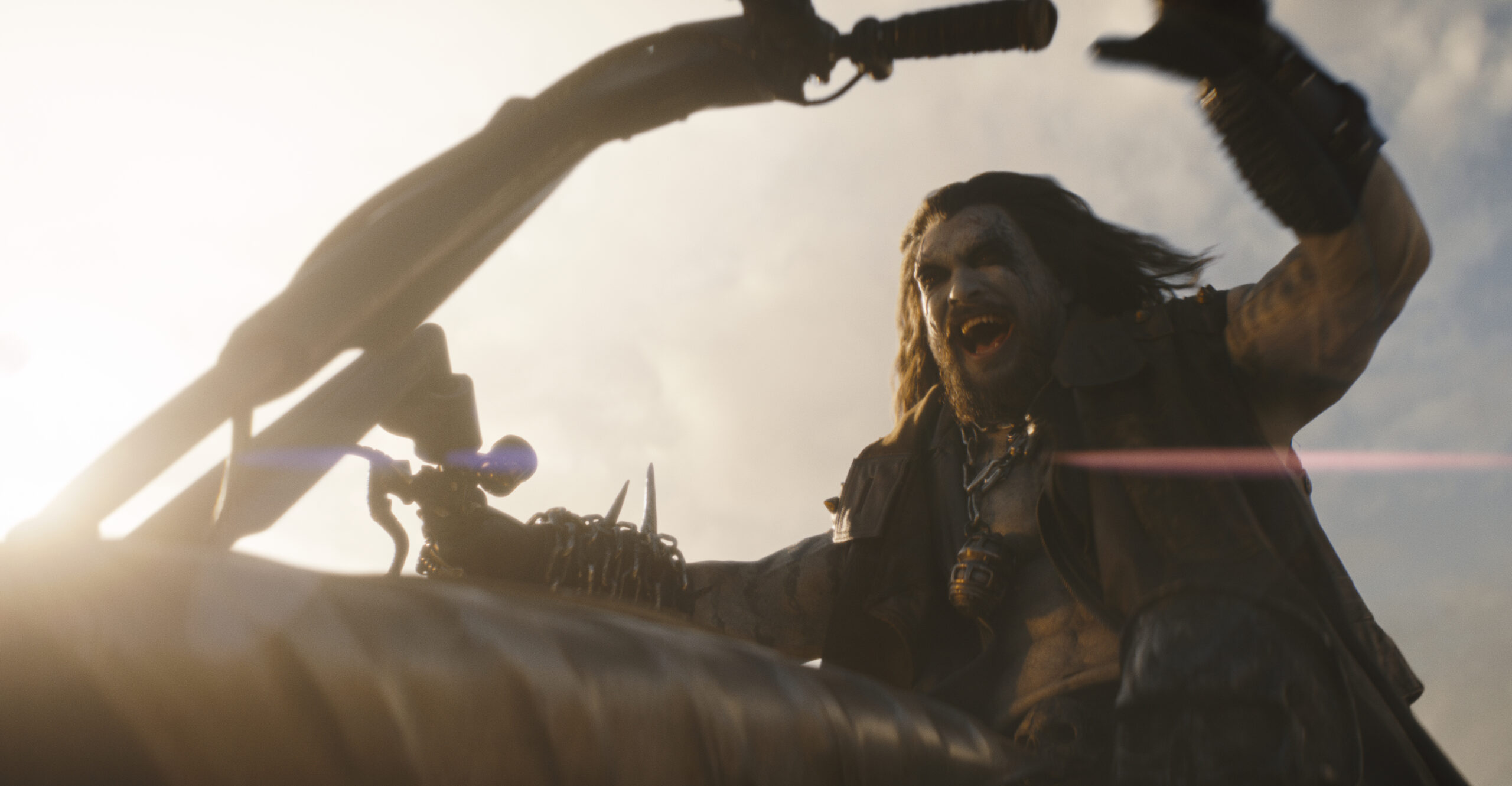
Immediately, Milly Alcock’s performance as the titular character is an immediate standout. In a performance akin to Krysten Ritter’s Jessica Jones, a drunk, traumatised, and retired superhero finding her purpose again, Alcock wastes no time settling into her role and carries the cast on her back. David Corenswet’s scenes as Superman are a delight to see, and Jason Momoa is clearly having the time of his life finally portraying his decades-long fancast of Lobo.
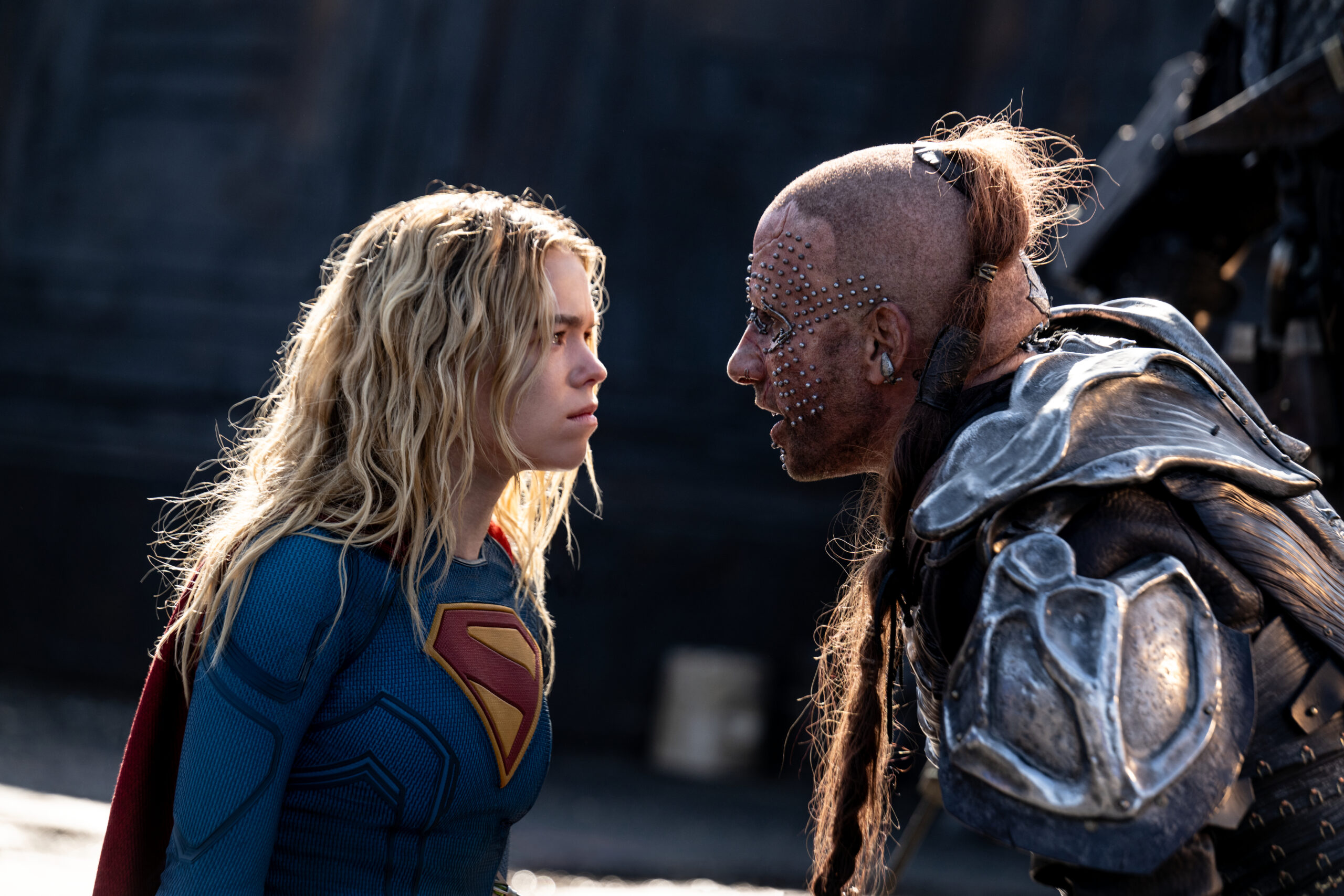
While there are some strong cast members, some of the supporting cast aren’t on the same standard. Child actress Eve Ridley plays Ruthye, and while she’s had solid performances in the past, it seems for Supergirl, she was directed to portray Ruthye as void of emotions. The writing also lets Ridley down, as Ruthye is given some atrocious dialogue. Numerous times in the film, Ruthye states “[Krem] killed my innocent and honourable family”, which is painfully stilted and unnatural dialogue for even the greatest of actors. Matthias Schoenaerts is a good actor, but his character of Krem is written as a moustache-twirling villain without any depth, and at the best of times Krem comes off as boring, at the worst of times he’s cringe.
While there are issues with the character writing of Krem, I was pleasantly surprised with the implications of his character. Throughout the runtime, the film explains and shows Krem and his organisation kidnapping women and girls for their mission of “continuing their all-male race”, and has then behave disgustingly towards young girls, blatantly spelling out that Krem and his men engage in child sexual abuse. While I actually admire the intent behind tackling darker subject matter, the film spends more time being an upbeat girls trip across the galaxy, filled with needle drops and one-liners to evoke 2014’s Guardians of the Galaxy, despite an antagonist akin to 2021’s The Black Phone.
This generates an abundance of tonal issues, indirectly signifying that the film does not respect or take its underlying subject matter seriously, making it only a surface level element rather than trying to say something with it. With this plot, I actually would have preferred a gritty interpretation of Supergirl, and considering how the elements of sexual abuse are handled in Zack Snyder’s 300 and Watchmen, in addition to his visual flair which was lacking in this feature, ironically he would have been a better pick for the director’s chair.
One theme throughout that felt particularly dated, was Supergirl incessantly preventing Ruthye from killing Krem, a character who is insinuated to be a child trafficker and pedophile. Danvers’ rationale for doing so was not explained until the very end of the film, and thus, comes across as persistent nagging for the majority of the film’s duration. In fact, there was one point in the film where Ruthye is about to achieve her goal of killing Krem, and instead of catching a clueless Krem, whom she had been pursuing all movie, she instead decides to take away Ruthye to teach her a lesson, alerting Krem to their presence and allowing him to escape, but not before he has the opportunity to murder another family, leaving blood on her hands due to her ridiculous decision making.
Kara’s reasoning for not killing is that the act will haunt one forever, and this moment is depicted as a triumphant climax in the film, but the writers failed to recall that not ten minutes prior to this, Ruthye had already killed one of Krem’s henchmen in a rather brutal display, which instead, made the moment fall flat. The writers treat the idea of killing one man like a life-altering experience, despite this film acting as the grounds for Supergirl to undergo a murder spree that she quite enjoys, laughing and quipping throughout, while dozens of evil henchmen are launched off of spaceships miles high in the sky, and hit at full force by fists of steel backed with Kryptonian strength.
Since the DCEU, The Boys, and Marvel’s Defenders Saga, audiences have become attuned to heroes who are willing to kill or seriously injure villains when necessary. While for some, like Superman, audiences will accept a refusal to kill, this is a rationale that has to be developed via the character’s nature and moral compass throughout the film, not just a line of dialogue tacked onto the end of the film, especially when said villains are child trafficking pedophiles who murder countless families.
Historically, like Superman, Supergirl has been a character with a resistance to killing in the comics. While this choice is a big departure from that, and a massive misunderstanding of the end of the source material this film is based on, I quite liked this reinterpretation of the character to act as a moral contrast to Superman, rather than Kara being ‘Superman, but a woman’. One wonders however, if those same critics who lambasted Zack Snyder for his decision to have Superman kill Zod to save a helpless family from death in 2013’s Man of Steel will return to criticise Craig Gillespie’s Supergirl.
Ultimately, Supergirl is an okay, but outdated addition to the DCU; if this is indicative of the DCU’s quality going forward, it does not justify this universe’s existence nor the merciless reboot of the previous DCEU. While I did enjoy the film to a degree, I can’t say it’s worth the price of admission unless you’re true diehard fan of DC. For the casual cinemagoers, watch it if you have an unlimited plan or a cheap cinema, else wait for it on streaming.
To James Gunn, Kevin Fiege, Erik Kripke, and all other heads of comic book movie universes, please, do better. We’re tired of the same generic films and we need innovation, not imitation. As Ewan McGregor’s Obi Wan Kenobi once said, “we need to be going up, not down”.
Watch the official trailer for Supergirl:
Read the synopsis below:
Kara Zor-El, aka Supergirl, joins forces with an unlikely companion on an interstellar journey of vengeance and justice when an unexpected adversary strikes too close to home.